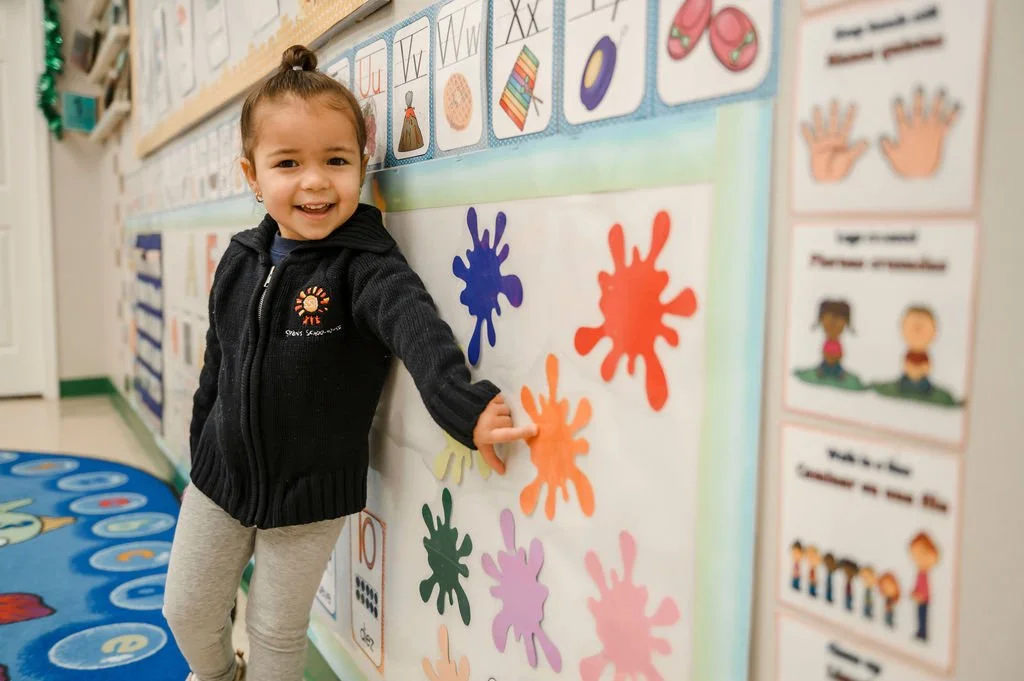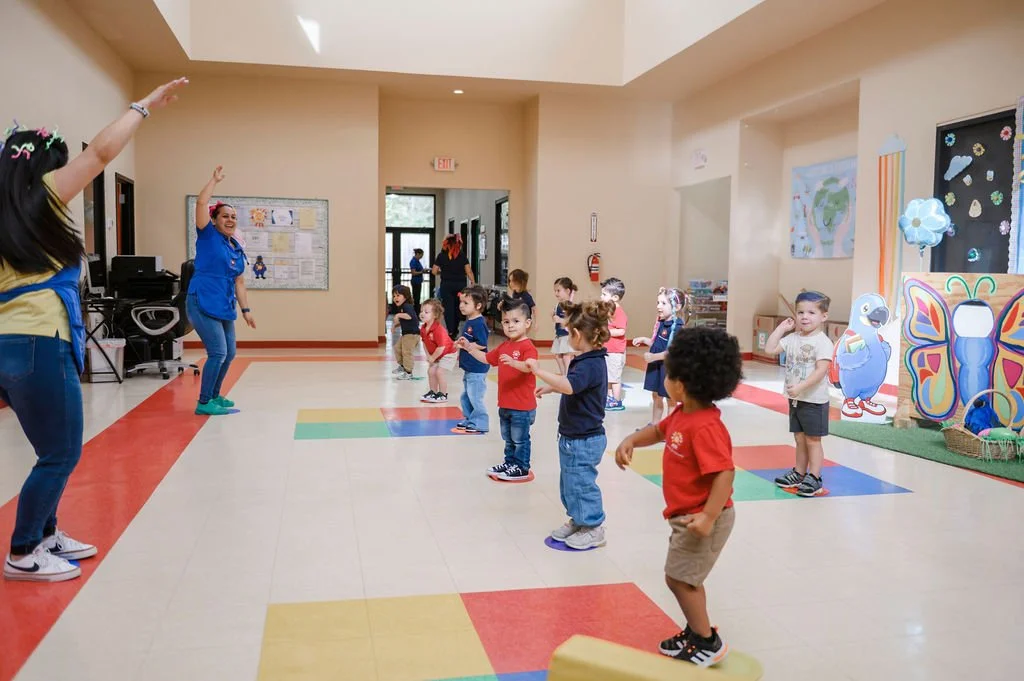
We create a bigger and brighter future for children.
History
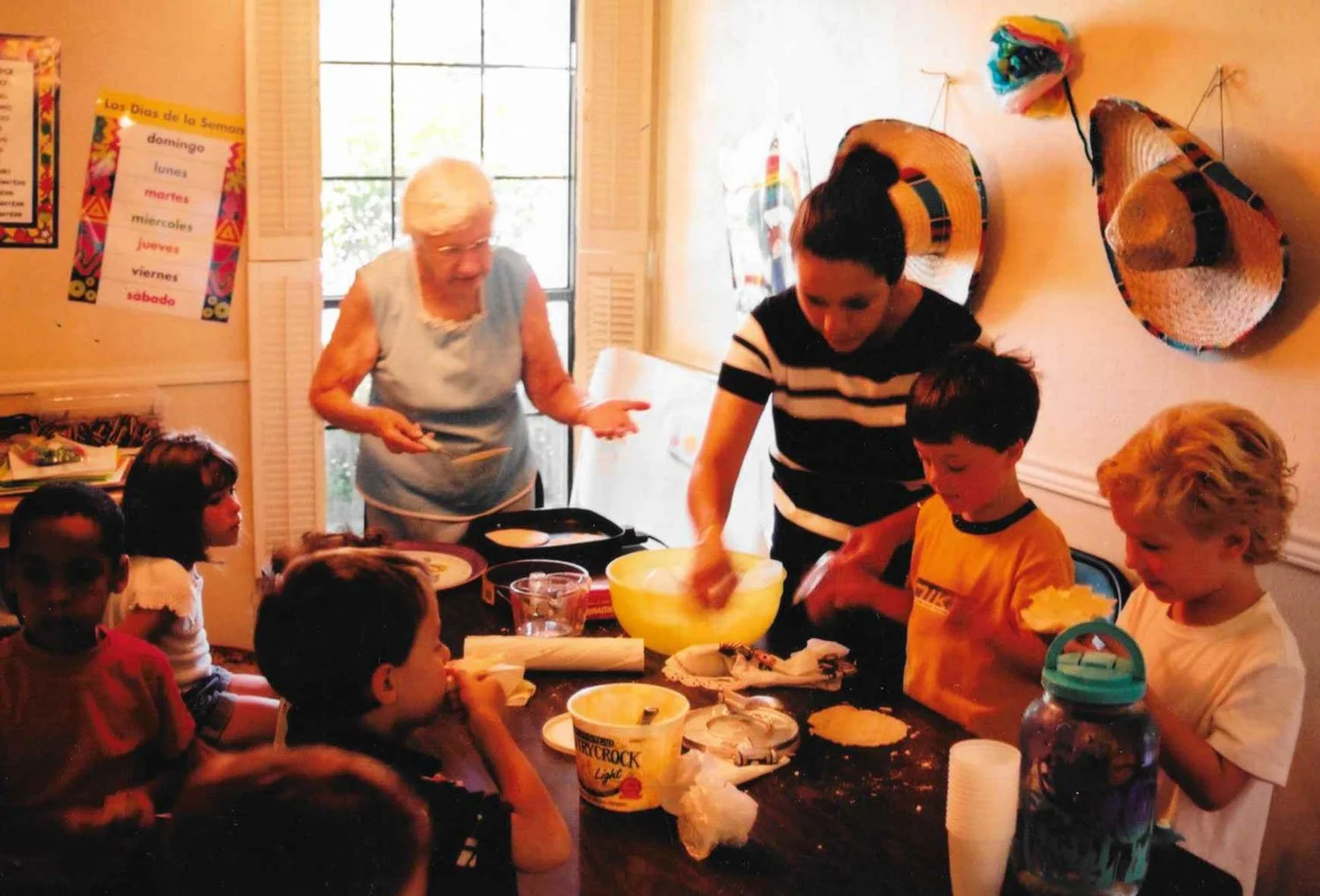
The concept for Spanish Schoolhouse began in 1999 with a goal of helping children learn the Spanish language at a young age. We started with weekly Spanish lessons for small groups of children in a home in Plano, Texas and as word spread, we added summer camps. In 2003, we proudly opened the first Spanish Schoolhouse immersion preschool, enabling us to provide the gift of a second language to children during their optimal language learning years.
Over twenty years later, we have grown and expanded with campuses throughout the Dallas/Fort Worth and Houston areas. We offer part-time and full-time Preschool and Kindergarten programs, as well as Summer Camps, Mommy & Me programs, and After School classes for elementary-aged students.
We are proud to have educated more than 20,000 children through our programs, empowering them with the Spanish language and cultural awareness to create a brighter future for themselves and the world!
The Spanish Schoolhouse Difference
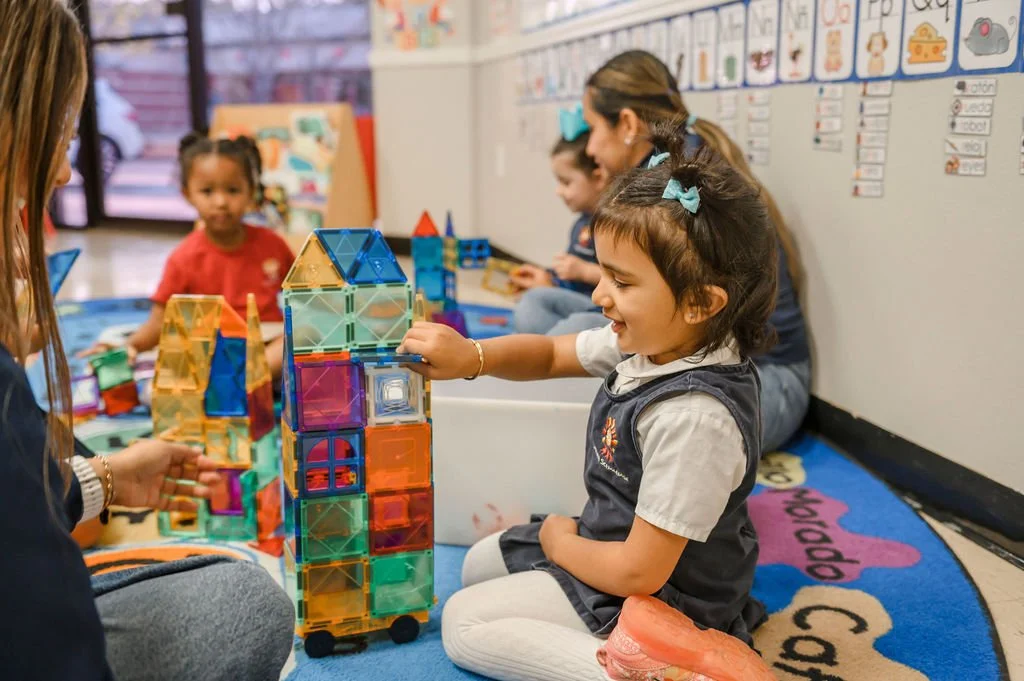
At Spanish Schoolhouse, we prepare students for formal education by fostering academic excellence and inspiring a lifelong love of learning. Our Spanish Immersion program helps children develop fluency while deepening their appreciation for global languages and cultures.
With low student–teacher ratios, every child receives personalized attention in a warm, positive environment that builds confidence, self-esteem, and respect for others.
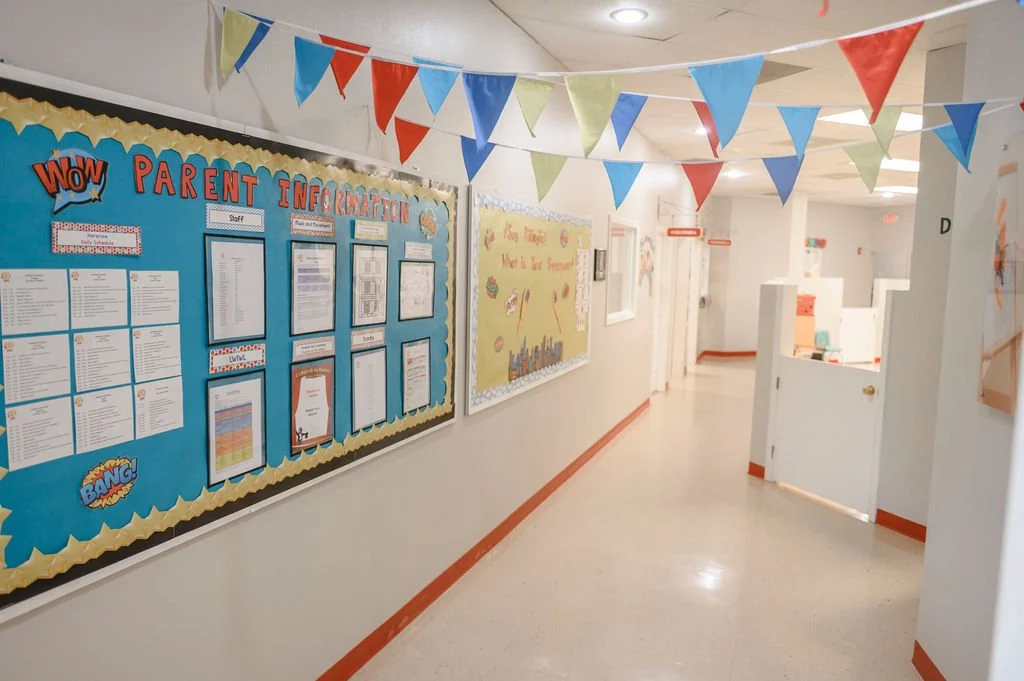
Teachers remain fully present in their classrooms, ensuring uninterrupted engagement with students by keeping phones away during teaching hours.
To stay connected with families, we use an efficient digital communication tool that keeps parents informed and involved in their child’s educational journey.
Together, these elements create a nurturing environment where children grow academically, socially, and culturally to become confident global citizens.
Evan Meehan, President
Evan Meehan was born in Baltimore, Maryland, and moved to Texas at age 12. He comes from a multicultural, adoptive family with 19 siblings, an experience that continues to shape how he sees the world today. Evan holds a bachelor's degree in Finance with a minor in Spanish Linguistics from Southern Methodist University and an MBA from Stanford University. He has worked in management consulting for some of the largest companies and organizations in the U.S., including two major Texas school districts. Evan joined Spanish Schoolhouse in 2021.
Evan knows that a strong early childhood education in a loving environment has a profound impact on a child's future success. He values helping students build a global perspective by connecting them with each other and the world through multicultural experiences. Evan is focused on keeping learning, curiosity, and connectedness at the forefront of everything we do at Spanish Schoolhouse. He believes that by developing and expanding our strong, supportive team and system, we can share the SSH opportunity with as many communities as possible.
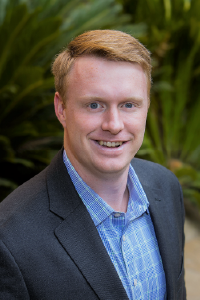
Jackie Rodriguez, Chief People Officer
Jackie brings more than 30 years of people-first leadership to Spanish Schoolhouse — and a deep, unwavering belief that great cultures produce extraordinary results.
Her career as a global HR leader spans some of the world's most recognized hospitality and entertainment brands, including TGI Fridays, Fogo de Chão, and Cinepolis Luxury Cinemas, as well as high-growth ventures in fintech and SaaS. Across every chapter, her focus has remained the same: build environments where people feel seen, valued, and inspired to do their best work.
As Chief People Officer, Jackie champions the full employee experience for our 400+ Latina(o) educators — from recruiting and onboarding to total rewards and leadership development. Since joining Spanish Schoolhouse in 2023, she has partnered with school leaders to open seven new locations, launched competitive total rewards programs, and promote over a dozen women into leadership roles. Her work is a living reflection of a principle she holds close: when we invest in our people, our people invest in our families.
Jackie is a proud Zumba enthusiast and, most importantly, Gigi to Sofia — a current Preston Trail student — and little Sarita, a future Spanish Schoolhouse student already on the waiting list!
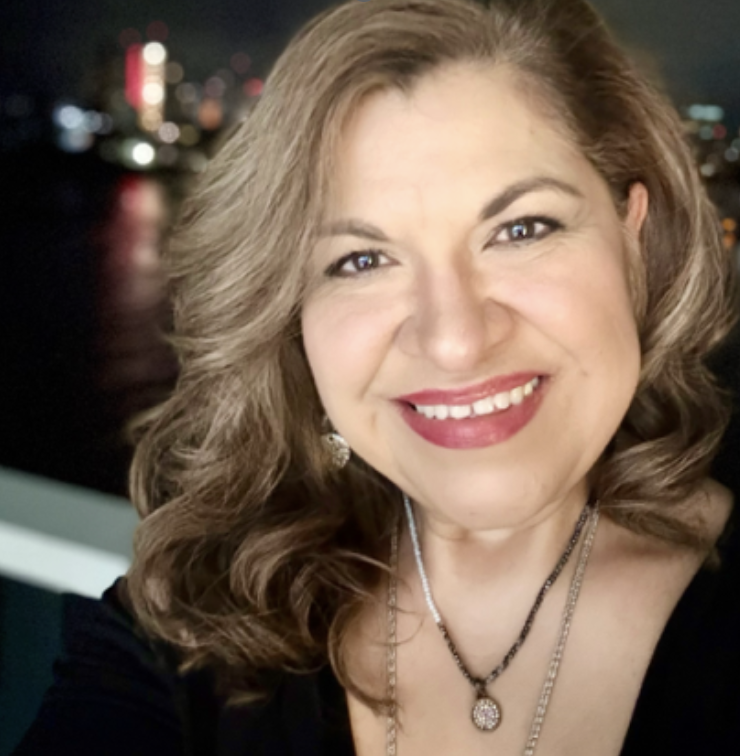
Key Requeijo, Vice President of Operations
Key Requeijo's story with Spanish Schoolhouse is one of the most meaningful kinds — she didn't just build a career here, she grew one, from the ground up, driven by a mission she believes in deeply.
Born and raised in Caracas, Venezuela, Key has lived and traveled throughout Latin America & abroad, giving her an intimate understanding of cultural diversity and the Latino experience in the United States. She earned her degree in Communications from Universidad Católica Andrés Bello and has been a certified preschool director in the state of Texas since 2008.
Her Spanish Schoolhouse journey began in 2006 — first as a parent, then as a teacher at our Southlake location. Over the nearly two decades that followed, she rose through every level of school leadership, serving as Assistant Director and Director before joining the corporate team as Supervisor and Senior Director. In 2025, she was named Vice President of Operations, where she now oversees the full breadth of Spanish Schoolhouse's school enterprise.
In that role, Key equips and empowers a dedicated team of teachers, administrators, directors, and corporate leaders to foster the love of language and learning for the thousands of children and families who call SSH home. Her leadership has been instrumental in building learning environments recognized for their academic excellence and commitment to safe, nurturing spaces where children truly thrive. She is especially proud to have been part of growing Spanish Schoolhouse into the largest Spanish immersion preschool program in America.
But for Key, the greatest accomplishment is the legacy being built one child at a time — confident, capable, and culturally aware young people who will become the next generation of bilingual leaders of tomorrow.
Each day, she arrives with the same quiet conviction: that every interaction is an opportunity to inspire curiosity, connection, and growth — in children, in educators, and in the families who make this community so special.
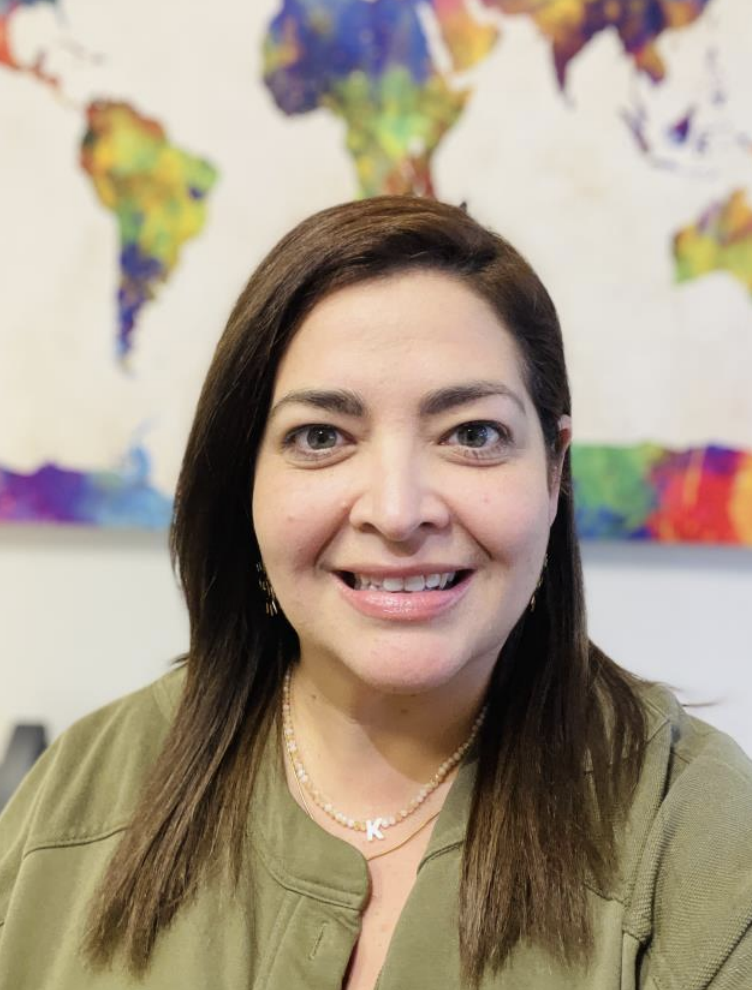
Meet the Founders
-
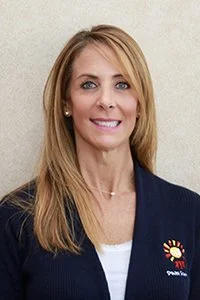
Josie Gerber
Josie Gerber was born and raised in Lima, Peru. She studied graphic design and owned her own small business in Lima before moving to the U.S. in 1990. Being bilingual and raising her own children with both English and Spanish, Josie experienced how natural it is for children to learn and speak two (or more!) languages. She felt strongly that language learning and cultural awareness were gifts that she could share with many children.
As a founder of Spanish Schoolhouse, Josie values the opportunity to help students realize the advantages of bilingualism by providing an active learning environment and curriculum in Spanish. She is proud of Spanish Schoolhouse's role in giving children a strong base for future academic success while empowering them with cultural awareness to help build a brighter future. -
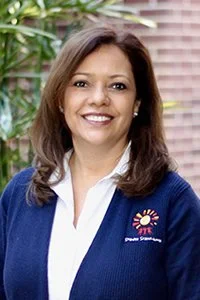
Mónica Ramirez
Mónica Ramirez is originally from Mexico City. She holds an engineering degree in computer science, a field she worked in for several years before moving to the U.S. in 1995. Because her children were born in Texas, her mission was to provide them with the privilege of a multicultural education, to give them a better appreciation of people's different backgrounds, and to help them become more compassionate citizens.
As a founder of Spanish Schoolhouse, Monica aspires to give this privilege to as many children as possible. She believes that being multilingual is the best asset a person can have in this global, competitive world. She is proud to be a part of building this legacy for generations to come. -

Victoria Williams
Victoria Williams was born and raised in the U.S. Although not a native Spanish speaker, she has become fluent through being immersed in the language and knows firsthand the value of being bilingual. Victoria holds a bachelor's degree in psychology. She found her life's passion in working with children and giving them every advantage possible in early education. Victoria has over 20 years of experience in early childhood education and language learning.
As one of the founders of Spanish Schoolhouse, Victoria's highest goal is to create a fun and loving learning place for children where they can be immersed in the Spanish language and fascinating cultural traditions. She excels at building great teams and inspiring them to provide an invaluable educational experience for our littlest customers and their families.
-
In a Spanish immersion environment, children are surrounded by the Spanish language during the school day, enabling them to learn the language through the natural interactions of school activities and social connections. In an immersion environment, conversation is key!!
-
More Potential!
Studies show that the neurons of a newborn's mind are "unprogrammed" and full of potential, providing an ideal opportunity for second language learning (Begley, 1996). Brain scan technology supports the theory of critical periods of development when a child's brain is highly susceptible to environmental experiences. (Kulh, 2010; Brown, 1994; Fromkin and Rodman)The window for language learning is generally thought to be through age ten. During these years, the circuits in children's brains become wired for how language sounds. Repeated exposure to words helps the brain build the neural connections for further language development. The more years devoted to learning a language and the more opportunities available to use it in everyday situations, the greater the proficiency achieved (Curtain, 1997).
Language Mastery is Easier
Intense neural activity in early childhood opens the brain to new sounds and patterns, allowing better mimicking of sounds and pronunciation. Children who learn a language before adolescence are more likely than older learners to attain native-like pronunciation (Harley, 1986; Patkowski, 1990).Lower Inhibitions
Emotionally, children are often less inhibited about making mistakes than adolescents or adults are. This lowers what language acquisition experts call the "affective filter" (Krashen, 1985), making them more likely to try out and use a foreign language. -
Cognitive Benefits
Over three decades of research has shown that children who study a foreign language tend to have greater cognitive development than their monolingual peers. This is demonstrated in such skills as enhanced creativity, memory, focus, problem-solving, flexible thinking, and ability to multi-task. Scientists propose that the processes used in learning languages require more attention and harder thinking, which in turn has a positive effect on overall cognitive development. (Bamford and Mizokawa, 1991; Kovacs and Mehler, 2009; Bialystok et al., 2013)Physiological Benefits
Evidence suggests that being bilingual from an early age physically changes the brain's structure and increases brain activity. Brain matter in bilingual people has been shown to be denser than that of monolingual people in both hemispheres, particularly in the left hemisphere (which controls language and communication skills). (Kovelman et al., 2008; Mechelli, 2004)Other studies show that learning foreign languages reduces age-related cognitive loss and delays the onset of dementia (Bialystok, Craik, Freedman, 2010)
Academic Benefits
Studies consistently show that people who are competent in more than one language outscore monolinguals on tests of verbal and nonverbal intelligence (Cloud et al., 2000; Hakuta and Weatherford, 1986; Bruck et al., 1974) The College Entrance Examination Board (1992, 1982) reported that students who had averaged four or more years of foreign language study scored higher on the verbal section of the Scholastic Aptitude Test (SAT) than those who had studied four or more years of any other subject.Social and Career Opportunities
Being bilingual opens doors to communication with more people, in more places! As world communities are becoming increasingly interdependent, languages allow us to interact competently. Knowing a second language can also give people a competitive advantage in the work force by opening up additional job opportunities (Villano, 1996). It's clear that speaking multiple languages is a valuable asset! -
This is a common question! Our program is designed for English-speaking children to learn Spanish. However, we welcome and encourage children who already use the Spanish language (or any language!) in their homes to be a part of our school!
Our teachers are native-Spanish speakers from around the world who also speak English. We start the school year speaking both English and Spanish so the children understand class rules and expectations and get to know their teachers. After this period, a smooth transition to Spanish-only is easy and fun for them.
To help children feel comfortable and confident, our teachers "act out" what they are saying and use visual materials as cues. The kids love this and love to join in. In the transition stage, if a teacher doubts that a child understands something, she will briefly explain in English and then continue in Spanish, to be sure that no child is "lost" or "confused." You will be surprised at how quickly they understand! We are here to encourage the love of the Spanish language and will ensure that our students feel comfortable and secure in our school environment.
-
Our proprietary curriculum was developed by a team of Texas-certified educators and uses a hands-on approach to learning. Lesson plans focus on developing literacy skills, pre-math and science skills, gross and fine motor coordination, creativity and expression, socialization skills, and more! We also incorporate the Handwriting Without Tears® program into our curriculum to further develop fine motor skills and proper handwriting techniques.
Weekly and monthly themes help children explore the world around them - all in Spanish! Cultural concepts and activities are woven into the curriculum, and traditional Latin music and dance play an important role in the learning process.
-
All locations accept children at ages 2-4, however, some locations also offer an 18-month class. Please select a location to view available classes and/or contact the school directly.
-
From the top right "Locations" button, choose your preferred school to view tuition and enrollment information. You will need to create a family profile prior to enrolling. Each year, we hold open registration in early February for the upcoming school year. Many classes fill very quickly! Enrollment during the school year is possible on a space-available basis.
Frequently Asked Questions